Godzilla: Domination! – In Retrospect

Godzilla’s Flawed But Fun Handheld Fisticuffs

Godzilla, as both a movie franchise and as a character, has a decade spanning legacy that hardly needs to be introduced. The big guy hasn’t always been consistent when it comes to movies, but most will agree that the king of kaiju has left a mark on pop culture forever, one that is just as colossal as he is. I am certainly a Godzilla fan myself, having seen a decent handful of his movies (including the 1954 original and the more recent Godzilla Minus One), but I have also ventured into a realm where he has seen far less success; video games.

There have been a lot of Godzilla video games over the years, but arguably none have really hit the same heights as his films. You have entertaining, fanservice-laden slugfests like Godzilla: Destroy All Monsters Melee, frustrating action games like the NES’ Godzilla: King of the Monsters! and even a rail shooter, in the form of Godzilla Generations: Maximum Impact. I have yet to try every single one of them, and there are some interesting experiments in Godzilla’s back catalogue, but typically his games are the most palatable when they’re all about one thing: kaiju on kaiju combat!
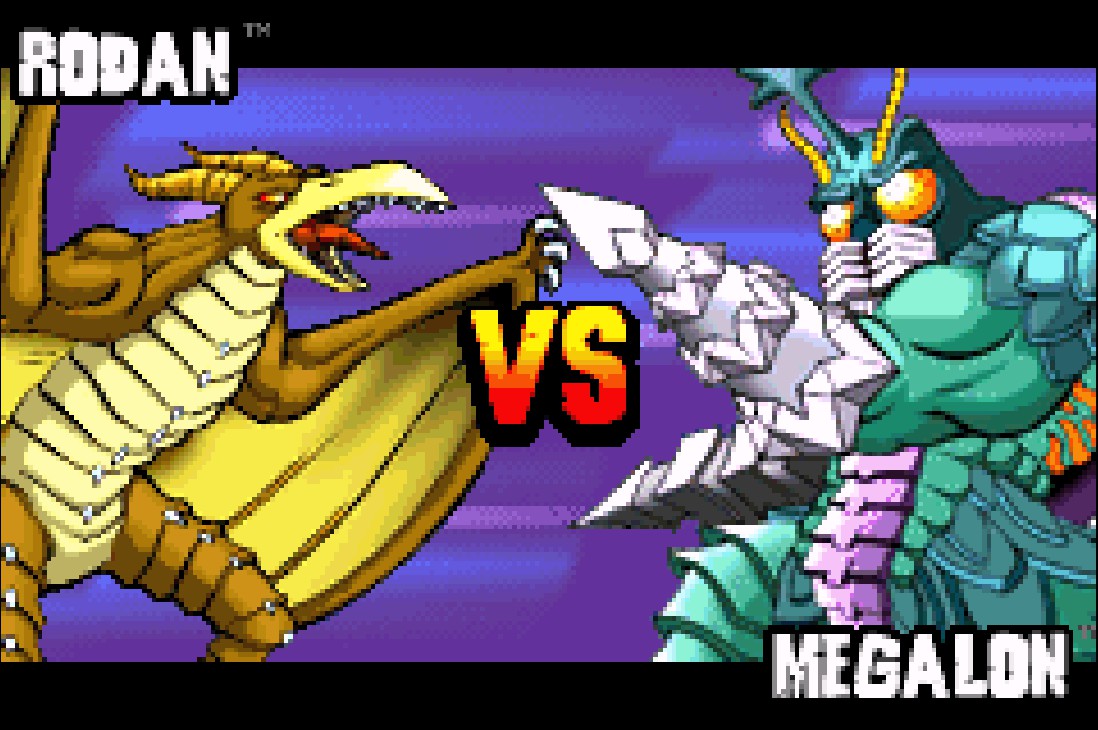
One that often gets lost within that particular flavor of Godzilla games though, is Godzilla: Domination for the Game Boy Advance. Released in 2002 alongside the aforementioned Godzilla: Destroy All Monsters Melee, it most likely got lost in that games shadow. Handheld versions of console titles do often get overlooked, which in some circumstances is a real shame if the handheld version has had some serious effort poured into it. While it wouldn’t be super accurate to say that Domination is the one-to-one handheld equivalent of its bigger brother on the Gamecube, it was certainly running parallel to it given the shared genre and release period; it is still very much a condensed version of what was, at the time, a rather substantial brawler.

And when I say condensed, I mean considerably condensed. Destroy All Monsters Melee has a respectable roster of twelve monsters while Domination pares that back to six. They are all unlocked from the start as well, so there are no additional unlockables for you to discover like in the console release. There are some kaiju sized omissions too, as recognizable monsters like Anguirus and Gigan aren’t featured at all (despite what the european box art might have you believe). The six kaiju present are all fairly heavy hitters within the franchise though, plus it features a playable Mothra (Destroy All Monsters Melee only featured her in an NPC role), so that is also a point in its favor! And to me at least, a smaller roster doesn’t necessarily mean a worse game, it is all about how those characters are executed and designed.
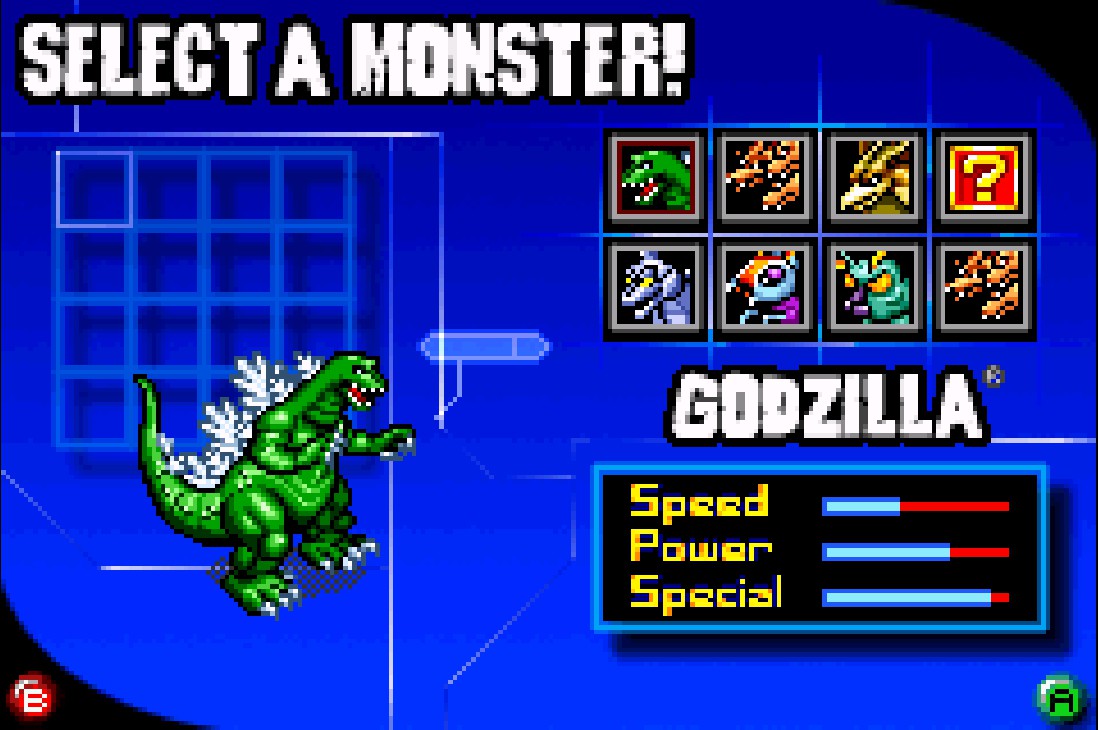
In terms of gameplay, perhaps the clearest and most obvious point of comparison is to the King of the Monsters series from SNK. You fight one to three other monsters in a sizable arena which is typically filled with obstacles and structures that are destructible and sometimes even throwable! Combat is fairly simple with every character having two basic attacks, two charge attacks and then three different rage attacks. The movesets are well suited to each character and they all have moves that they typically do in the movies. Although ultimately certain characters (Megalon and Rodan especially) do end up becoming pretty imbalanced thanks to rage attacks that are much more devastating than others. To me though, that doesn’t really hamper the game at all; this is a pick up and play sort of game and it never becomes too challenging on the default settings.

A lack of complexity is what most gaming publications held against Godzilla: Domination! back when it was first released. In a way, I think this is justified; for extended play sessions you are going to get pretty burnt out. The game effectively only has a single core mode, the story mode, which is over in at least a half hour. Outside of this the options are pretty slim as you get the obligatory CPU VS mode as well as Multiplayer (which to the game’s credit, does support a single cart option). If you’re looking for variety or depth, then you are likely to be disappointed in what’s to offer here. There simply isn’t enough content if you are looking for something to enthrall you for hours at a time, playing under the blankets until the wee hours of the morning.

On a personal level though, I feel that the reviews are largely way too harsh on Godzilla: Domination! and most of them misunderstand the value of a game you can just pop on for a few minutes to have fun, smashing around as a powerful kaiju. It would be dishonest of me to suggest that this game is worth more than maybe a six or a seven out of ten. Even the five that ‘Nintendo Official Magazine’ gave it during issue 123 seems mostly fair. Godzilla: Domination! isn’t a great game, necessarily. But it is entertaining. You get exactly what you sign up for by picking up a Godzilla fighting game. Not to say such games can’t have depth or complexity, but there is a charm to playing a simple, uncomplicated rough and tumble brawler like this. There are no frills or extravigances here but that didn’t stop me from enjoying my time spent playing Godzilla: Domination!.
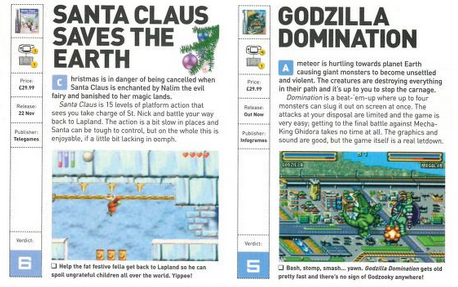
I imagine what concerned the reviewers of the day was making sure customers got their moneys worth. Perhaps at the £29.99 asking price for a new GBA game, Godzilla: Domination! was maybe not the ideal game to choose amongst many stellar titles that were already on the market. But now, it’s a much more affordable game, especially if you’re both a Godzilla fan, and a Game Boy Advance enthusiast. It has been a fun game to delve into, something suitably undemanding for short retro gaming sessions before bedtime. There definitely are better games out there, better fighting games even, and Godzilla: Domination! isn’t an essential purchase by any means, but I believe you need to make some room in your gaming collection for some uncomplicated entertainment. It is not as if the game isn’t well made either; the controls are fine and I didn’t encounter any major glitches or slowdown. Any issues are mostly at a design level and I think most of those issues are forgivable.

Plus that’s before you even discuss the Godzilla: Domination!’s strongest aspect; the visuals and the music. I’ve buried the lead a little, but the developer of Godzilla: Domination! is one that is quite a familiar name today; Wayforward Technologies. Released the same year as Shantae, the quality graphics and enjoyable soundtrack are very much in line with their reputation. Godzilla: Domination! is colourful and exceptionally well animated, with the kaiju characters showing a great deal of personality with their movements. It’s perhaps lacking in some additional flourish, but it’s certainly one of the more pleasant looking GBA titles out there and makes good use of the hardware.

This was one of many licensed games Wayforward developed in between their main projects and I do wonder if budget or time constraints placed on them prevented the game from having at least a few more modes and extras. Given the nature of licensed games and deadlines it wouldn’t surprise me, plus if they needed to release it alongside the Godzilla: Destroy All Monsters Melee, I can only imagine the sort of pressures they were under. Needless to say though, one thing that the reviews almost all seemed to agree upon was the quality of the aesthetics, so at least their efforts there did not go unnoticed.

Here are some other additional facts you might find interesting; there are actually a few regional differences between the western releases and the japanese release! To tie-in with the then recent movie Godzilla: Tokyo S.O.S., they chose to recolour and even redraw some of the characters to match their appearance within that film: Godzilla, who is green in both America and Europe, is grey in Japan; Mechagodzilla has been redrawn to match his ‘Kiryu’ design; Mothra has also been recoloured and her design also altered. The japanese release also has two different options for story mode; aside from the default options, you can also choose to play survival mode or rage mode. In a way, this would make the japanese version the definitive version of the game! If you’re interested in learning more about these regional differences, you can read about them on The Cutting Room Floor!
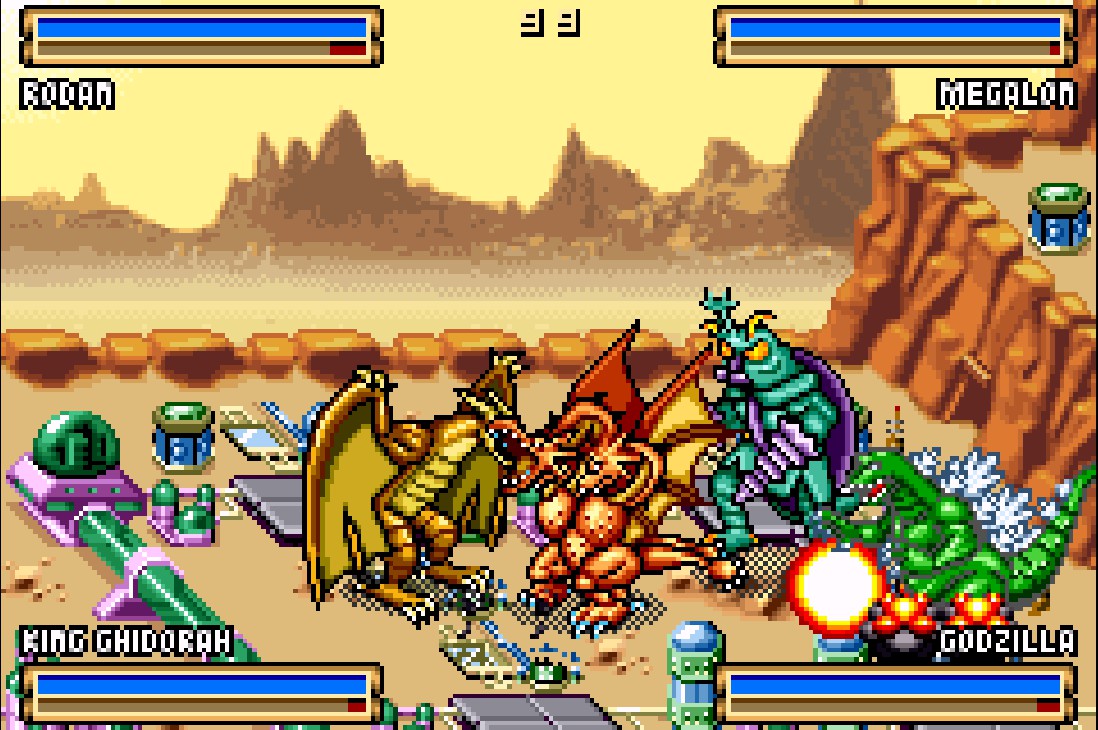
All things considered, Godzilla: Domination! might not be at the peak when it comes to GBA fighting games, but it quite comfortably sits in a cave around the middle of the mountain instead. All you have to do is walk into that cave with the right expectations in mind and you could find yourself pleasantly surprised by it. These days it is more likely to be appreciated I believe, both for its affordability, its connections to a well-loved developer and its approachable gameplay. It won’t be for absolutely all tastes and I admit, my predilection for Godzilla means I am probably softer on it than most would be. But I stand by my belief, that if all you want is to have Godzilla beat the stuffing out of King Ghidorah on a handheld then you could do much worse than this.


Thank you for reading! In Retrospect is where I talk about games that I find interesting, for one reason or another. It means a lot that you took the time to check out what I have to say. If you’re interested in supporting my work, then i’d appreciate a follow on my Bluesky.

I also have a Kofi so if you also want to support me, you can do so that way also!

Sonic Advance – In Retrospect

Sonic The Hedgehog’s New Handheld Legacy

To say that 2001 was a curious time to be a Sonic fan would be an understatement. Most of us familiar with Sega know the story very well; rather than accruing further losses in the console market, the once thriving company decided to divert its attention towards being a third party developer and publisher. This of course left the doors open for them to bring their beloved franchises to systems made by their erstwhile competitor, Nintendo. While many of their IP would find their way onto the newly released Gamecube and Game Boy Advance during the 2000s, it made sense to have their most iconic character be one of the first.

Enter, Sonic Advance. Released alongside Sonic Adventure 2: Battle, Sonic Advance holds the distinction of being the first original Sonic game to be released on a Nintendo system and it serves as a bit of a merging between the classic era and the, at the time, modern era of Sonic. Given the game was set to be released for Sonic’s tenth anniversary, it makes sense to take him back to his roots while also bridging the gap with his Sonic Adventure redesign. What this union results in is perhaps one of the finest platformers on the system, both for the time and in retrospect.

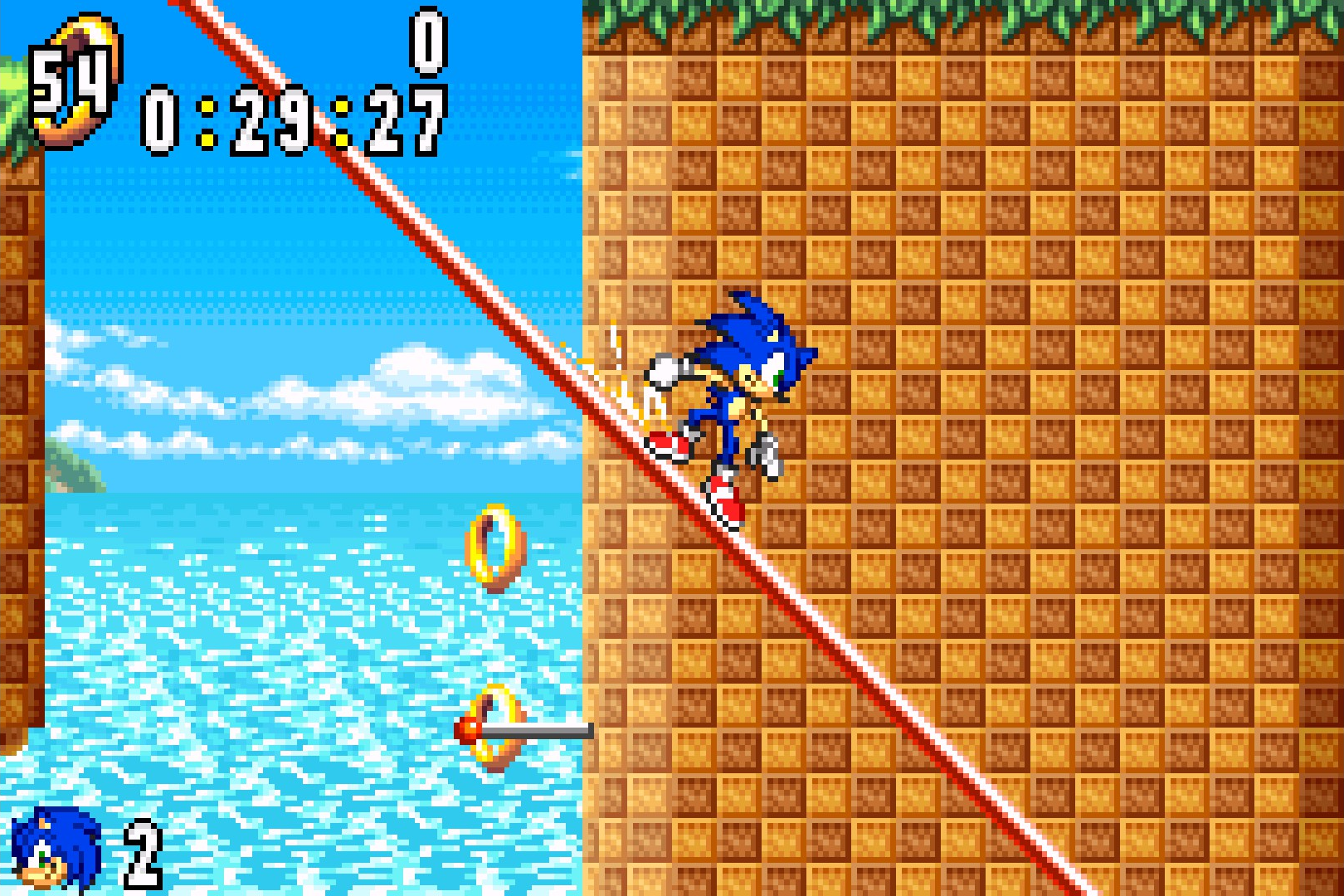
Sonic Advance mostly follows the same structure and gameplay laid out by its Mega Drive forebears. Across several zones, each with two acts, you speed along as either Sonic, Tails, Knuckles or Amy Rose. If you’ve played a Sonic game before, everything seems pretty familiar right out of the gate, and they do a wonderful job and the physics are a good approximation of those classic games as well. Controls are tight and momentum works the way you would expect. Members of Dimps, the developers, had previously cut their teeth on Sonic Pocket Adventure for the Neo Geo Pocket Color, so by this point they already had experience with Sega’s beloved speedster.

Adding an extra layer to the experience though is the enhanced movesets that have been given to each of the characters. While Sonic, Tails and Knuckles have moves previously seen in their classic outings, they each have new moves as well, mostly for movement, but they each have unique attacks as well, such as a slide move for Sonic. The movement techniques are the real star though, allowing you to speed through levels in new ways so long as you know how to perform them. Amy in particular, who plays much differently to the other three, pushes you to approach obstacles in a whole new way. She doesn’t have the spindash for example, so you have to apply some more vertical maneuvers to get up slopes or hills if you don’t have the required speed.

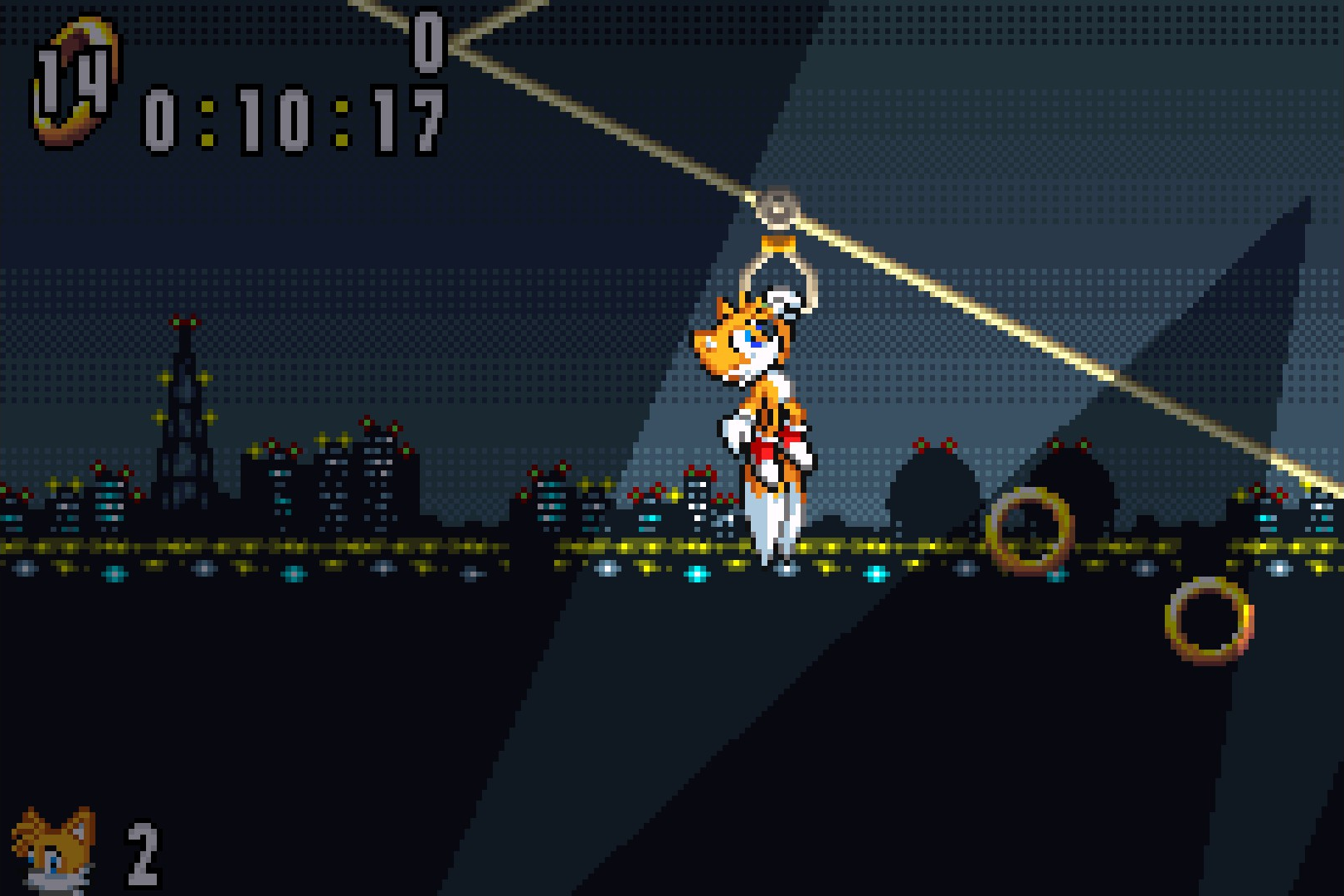
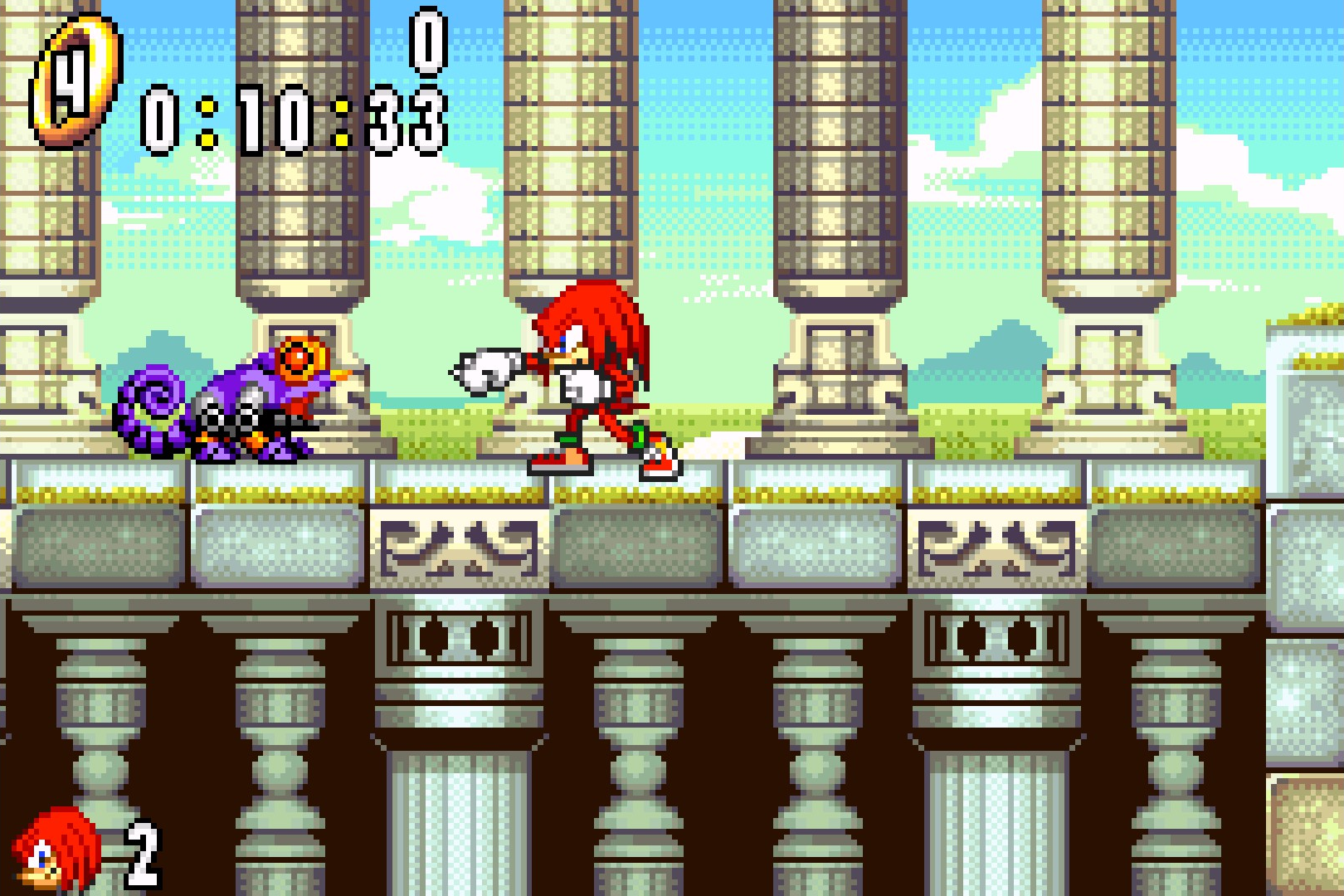
Tails and Knuckles are more limited in their new options, given their returning flight and glide abilities are already useful for a variety of situations. They do both get the ability to swim, which is a great tool for the more waterlogged stages in the game, and while that is admittedly very situational, the sheer utility of their other tech more than makese up for it. Stages don’t really become trivialised by their superior aerial maneuvers, but they do allow you to save yourself from traps and pitfalls with greater frequency (plus they also make searching for certain special stages a lot easier).

You can play this game without engaging with most of these new tools, but in repeat playthroughs they can be fun to mess around with to see what you can do with them. These moves would be expanded later on in the trilogy and here they are in a primordial form, but their simplicity is still executed excellently.

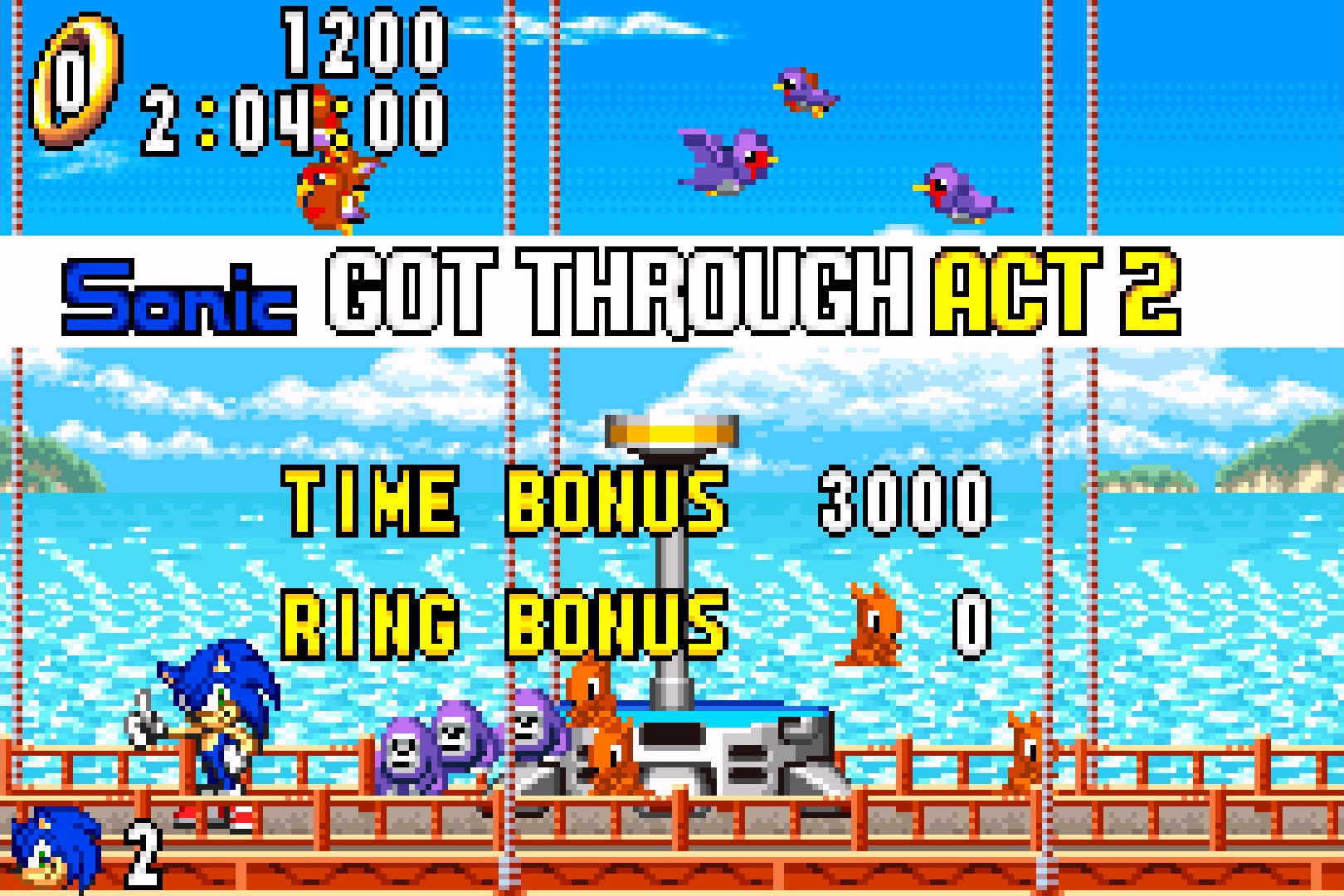
The levels make up one of the weaker aspects of the game though, at least for my personal taste. On a technical level, they are largely well designed and visually, they are stunning to look at. Detailed and colorful pixel art makes Sonic Advance one of the best looking GBA games, even to this day, they just lack a little in the theming. This isn’t necessarily a bad thing, but they just feel somewhat lacking if you take the rest of the trilogy into consideration as well, as Dimps later found a much more unique and memorable style for the Advance series to call its own.

The OST is no slouch either, although the rest of the trilogy does tend to overpace it in this regard too. You still have some incredibly memorable songs though, each of them showing just what the GBA can do in terms of audio, even in its first year. And the crown jewel in terms of presentation has to be the character sprites themselves. There is so much personality to find here and each character is animated in a way that oozes quality and charm. So much love and care was put in to make sure these iconic characters were just as full of energy and charisma as their three dimensional counterparts. Ever since I first played this game, Sonic Advance has been at the peak in terms of style for 2D Sonic games, outmatched only by the rest of the trilogy.

To me, Sonic Advance stands out today as a classic. But I am admittedly a little biased; to be forthcoming with you all, this was the first Sonic game I ever owned and it was also my first Game Boy Advance game. I’ve probably played this game more than any other in my life and it took my budding love for Sonic games and made it blossom, turning me into the diehard fan I am today. But rationally, and separating all of that, I still believe that it deserves to be seen as one of the best platformers on the system, surpassing all of Mario’s efforts. Mario platformers played it rather safe during the GBA era in my opinion, while Sonic chose to do something that paid homage to days gone by, while still seeking new horizons.

Sonic Advance definitely is antiquated in comparison to the second or third game, but on it’s own, it is a strong entry regardless. It made impressive use of the handheld during its first year, showing that Dimps had the knowhow to squeeze the best out of the hardware. The reception at the time was pretty favorable too. Most praised its visuals and its traditional approach to gameplay, although it’s mentioned that it also doesn’t bring anything new to the table.

Weirdly enough though, Sega and Sonic Team seem less enthusiastic about the trilogy as a whole. None of the games have seen a modern re-release as of yet and is sparingly mentioned or referenced in the modern titles and for a milestone entry in the Sonic series, that feels like such a shame to me. This game represented a new beginning for the hedgehog and was the start of arguably one of the strongest runs of handheld Sonic titles ever.

It’s legacy should be more highly regarded, especially since it is among the best selling titles of the GBA era. It outsold many iconic games, including Kirby & The Amazing Mirror and even WarioWare. While he never reached the sales heights of Mario on the console, I ultimately think this game has aged wonderfully in comparison.

It has been ported to other systems, but very rarely and usually in less than ideal states. The ill-fated Ngage console recieved a port of the game, dubbed SonicN, but it was largely considered inferior thanks to the console’s own limitations, namely it’s rather peculiar screen size. Japan recieved an android port in 2011 and there was also a Java port by Gameloft, both of which are of questionable quality to say the least. Finally, the last proper rerelease of the game was the Japan only Wii U Virtual Console release, which is now, of course, gone. Unless you own the actual cartridge for the GBA (or happen to have an NGage lying around…?) there’s little chance to get to play Sonic Advance legitimately.

There’s a possibility that some of the difficulties with rereleasing it comes down to licensing. In the android port, the Egg Wrecker and Egg Drillster boss themes are replaced, as well as the invincibility music, all of which are arranged versions of songs by Masato Nakamura. He is credited in the original game for those songs, so there could be some licensing barrier preventing wider releases. But this is also just speculation, it just seems peculiar to me that so much of Sonic’s back catalogue has been made available for modern hardware, but the Advance games are left mostly untouched.

Sonic Advance is a game that is more than deserving of another chance in the spotlight. There definitely is a collective of fans out there who appreciate it and there’s likely a large number who would love the chance to try it out through legitimate means someday.

Since initially starting this article and after letting it sit for a while, Sonic Team lead, Takashi Iizuka actually commented on the prospect of a remaster or re-release in an interview with VGC.

“There’s currently no plans for the Sonic Advance series to be remade or remastered, but we don’t know what the future holds.

Katsuyuki Shigihara was a director on Sonic Origins, which took Sonic 1, 2, 3 and CD, and we remastered that and brought it out for fans to enjoy. And if we have the chance, if there’s an opportunity for the Advance series to also get that treatment, or whatever circumstances may pop up, we’d love to do it.”

For me, this doesn’t really confirm anything, obviously, but if there is enthusiasm for the trilogy at Sonic Team, then that does at least make me marginally more hopeful for the future! I just hope it doesn’t take another decade for such a thing to actually happen.


Thank you for reading! In Retrospect is where I talk about games that I find interesting, for one reason or another. It means a lot that you took the time to check out what I have to say. If you’re interested in supporting my work, then i’d appreciate a follow on my Bluesky.

I also have a Kofi so if you also want to support me, you can do so that way also!